If you’re searching for a padel court manufacturer or supplier, you’re at the start of a process that can seem very confusing to new buyers. A manufacturer sells you a court system, but getting a finished, playable court on your property is a long process that often involves permits, tariffs, and even crossing international waters. Most buyers don’t find out what’s missing until they’re already mid-project. Here’s the whole picture, start to finish, so you know what to expect before you make a single call.
Manufacturer, Supplier, Builder, Construction Company: What Each One Actually Means
These terms get used interchangeably online, but they don’t all mean the same thing, and knowing the difference matters before you start calling anyone.
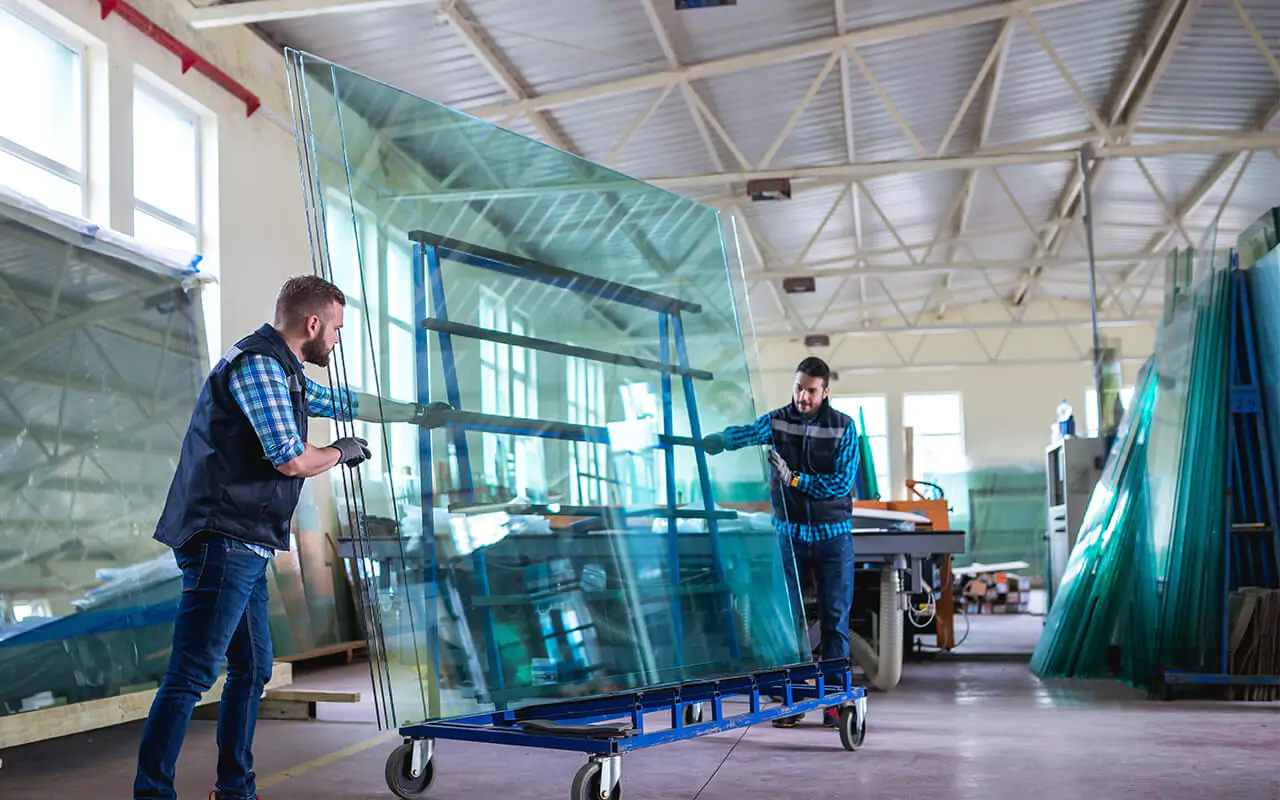
A padel court manufacturer makes the court system itself: the steel frame, the glass panels, the mesh, and sometimes they include the turf as well (purchased from a different company). A supplier could refer to the same company, or to a distributor selling someone else’s manufactured system. A padel court “builder” or “construction company” might mean several different things, it could be the manufacturer itself or the person physically installing the court on your site (sometimes one company does all of this). It could also refer to the company pouring the concrete foundation that the padel court will rest on. What all of this jargon means for you, a padel court customer, is that more often than not (especially once international manufacturers are involved) clients rely on multiple different entities throughout the process.
Checklist before you purchase your courts
Before you sign anything, here’s a step-by-step guide to pieces that are often missed in the process.
- What exactly are they sending you? Some manufacturers ship the full system: glass panels, steel structure, turf, and lighting. Others ship only the structural components (glass and steel) and expect you to source turf and lighting separately. Read the line items carefully.
- Who is installing it? A manufacturer selling you a court is not the same as a manufacturer installing one. Many have their own crews, but those crews are international and will charge extra for all the travel costs. Some don’t have their own crews, in which case you want to make sure the team assigned to install courts has experience working with that specific manufacturer’s court system.
- What about your foundation? Before you even touch the court system itself, you need a properly engineered concrete foundation. No manufacturer or supplier handles this piece directly, and it requires expertise from a local concrete vendor with sports facility experience. It’s a separate scope, and it has to happen before the court system ever arrives. See our padel court construction guide to learn what type of foundation you actually need for a padel.
- What about your permit? Most jurisdictions require building and structural permits before construction starts. A manufacturer will not file this for you and requirements differ state by state. This is why it’s very helpful to have a local contractor who understands those requirements.
- Who is transporting the court? Shipments involve freight, customs (if internatioal), and final-mile delivery on a truck - three separate logistics chains someone has to coordinate. Typically, the manufacturer may help with the first few, but not the last mile to the site. That’s why it’s helpful to have a single company that manages it all, from the initial purchase to delivering and installing your courts on site.
- What about maintenance? Once the court is built, who do you call if a panel needs replacing or the turf needs attention two years from now? If your installer was international or a traveling crew, it will be much harder to get maintenance down the road.
A manufacturer or supplier can answer the first question. The other five are usually left to you, unless someone is managing the whole thing.
US vs. International Manufacturers and Suppliers: The Real Trade-offs
US manufacturers with court systems already in stock can have your court on site in as little as two weeks after your order. International manufacturers, even ones with stock on hand, typically run four to eight weeks once ocean freight and transport are factored in.
Then there’s the cost question, and it’s bigger than people expect. Import tariffs on padel court systems can add anywhere from $5,000 to $15,000 or more to a project, and the rate isn’t fixed. Tariff schedules can shift month to month, and on more than one project we’ve seen the final number change when shipment actually reaches the port. We’ve seen clients hit with cost surprises here that had nothing to do with the court itself. Our padel court cost guide breaks down how this fits into a full project budget.
None of this makes international manufacturers a bad choice. Some of the best court systems on the market come out of Europe. It means going in with real numbers instead of a quote that doesn’t account for what happens between the factory and your site.
Why We Work With Both, Not Just One
There are currently two companies in the US that manufacture padel courts domestically, and there’s more than a dozen international. We work with a select pool of domestic and international partners who we’ve vetted to ensure they provide the best combination of quality and execution.
Budget, timeline, and the kind of court someone wants all point toward different answers. A client who needs courts open in six weeks isn’t getting them from overseas. A client building a premium, panoramic-style facility with specific colors might find the system they actually want only comes from a particular European manufacturer. Being independent means we’re not selling whatever we happen to carry. We’re matching the manufacturer to the project.
We’ve also seen what happens when this goes wrong. On one project, a client tried to save money by skipping professional installation from the manufacturer and figuring it out themselves. The court arrived, and without a clear install guide from the manufacturer, the client’s own team got it wrong and damaged the system trying to put it together themselves.
Why Clients Choose Us
This is exactly the gap US Padel Court Builders exists to close, managing manufacturer selection alongside foundation, installation, and everything else your project needs, at no added cost.
If you’re evaluating manufacturers and want to know what your specific project needs, Get a Free Quote and we’ll walk you through it.
Frequently Asked Questions
Should I buy a padel court directly from a manufacturer? You can, but most manufacturers only handle the court system itself. Installation, foundation work, permitting, and long-term maintenance are usually separate scopes you’ll need to manage on your own unless you’re working with a company that coordinates the full project.
What’s the difference between a padel court supplier and a padel court builder? A supplier or manufacturer provides the court system: the frame, glass, and related materials. A builder or construction company physically installs it on your site and handles foundation work. These are often two separate companies unless someone is coordinating both.
What certifications or standards should a padel court manufacturer meet? Look for compliance with FIP (International Padel Federation) court specifications for dimensions and materials, plus engineering documentation for wind load and local building code compliance, since structural requirements vary by state. Ask for this documentation before you sign, not after.
How long does it take to get a padel court from a US vs. international manufacturer? US manufacturers with court systems in stock can deliver in as little as one to two weeks. International manufacturers typically take four to eight weeks once shipping and customs clearance are factored in.
Are there tariffs on imported padel court systems? Yes. Import tariffs can add $5,000 to $15,000 or more to a project, and the rate changes month to month. We recommend getting a current quote rather than relying on outdated pricing, since the final number is sometimes not confirmed until the shipment clears port.